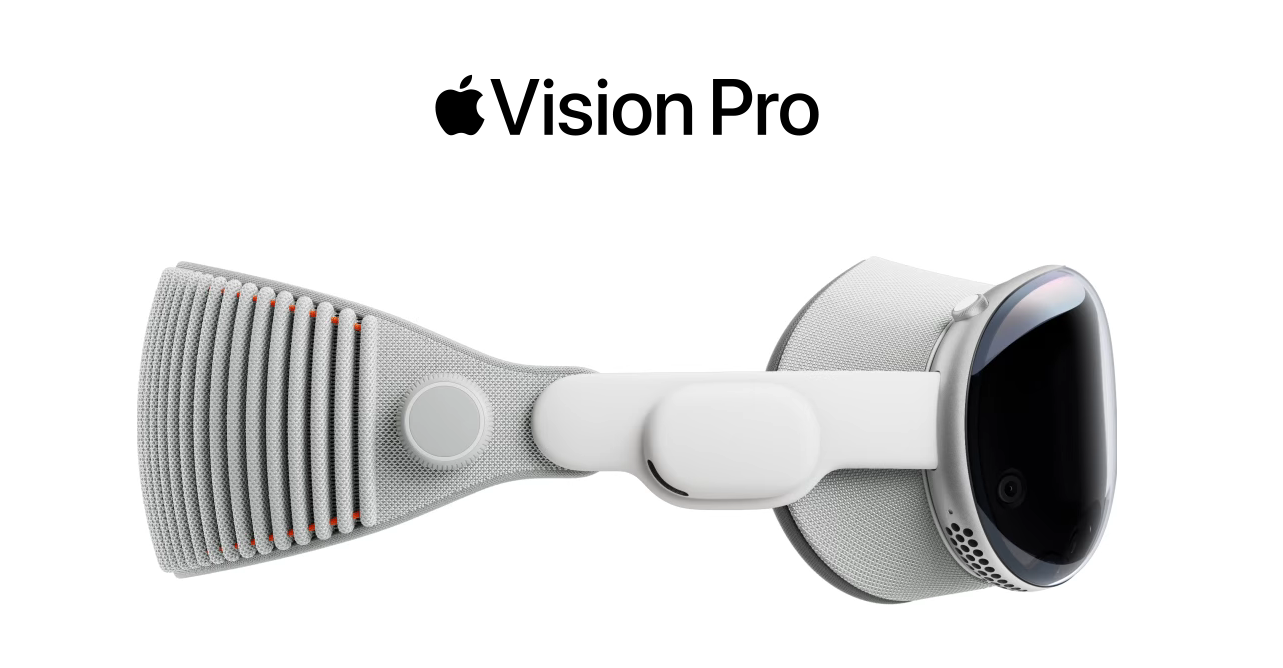

Several months have passed since Apple’s Vision Pro entered the market. The Vision Pro received acclaim for its advanced technology and groundbreaking user experience, yet it also drew criticism for practical limitations. Users highly praised its immersive experience and spatial computing capabilities but pointed to its high price ($3499), short battery life (approximately 2 hours), and limited content ecosystem as critical areas needing improvement.
Real-World Use Cases
Vision Pro’s early applications span across various sectors from personal to enterprise use.
Personal use cases prominently feature creative productivity such as music creation and video editing. Notably, tech YouTuber MKBHD reported a 30% reduction in video editing time using Vision Pro. Additionally, a medical student greatly improved their efficiency in anatomy studies by utilizing Vision Pro’s 3D spatial note-taking functionality.
Enterprise and professional sectors have actively embraced Vision Pro, particularly in healthcare. Mayo Clinic reported a 40% improvement in surgical accuracy thanks to Vision Pro-assisted surgery simulations. Similarly, BMW shortened its vehicle prototyping stage by 25% using Vision Pro in its design processes.
The most impressive cases include Mayo Clinic’s medical applications and BMW’s streamlined design process. These illustrate Vision Pro’s substantial synergy potential through precision and real-time data processing capabilities.
Challenges to Address
Vision Pro’s high cost and limited accessibility remain significant barriers. At $3499, it is currently out of reach for many consumers. Without addressing price accessibility, Apple might face challenges expanding its user base. Furthermore, the two-hour battery life is insufficient for prolonged professional usage. The content ecosystem also remains underdeveloped, necessitating diverse apps and services.
Integration with Apple Intelligence
Apple has confirmed integrating its proprietary AI technology, Apple Intelligence, into Vision Pro. Apple Intelligence harnesses AI and machine learning to provide personalized experiences, enhancing Vision Pro’s spatial computing capabilities. Features such as behavior-based content recommendations, real-time data analysis, and predictive functionalities will be immediately available.
Users will benefit from tailored content optimized for their work habits or health status and adaptive educational materials based on individual comprehension. However, clear guidelines and robust security measures must address privacy and ethical concerns surrounding data usage.
Future Technological Developments and Outlook
Apple plans to release Vision Pro 2 in fall 2025, powered by the next-generation M5 chip. Compared to the current Vision Pro’s M1 chip, the anticipated performance improvements are significant:
| Metric | M1 Chip (5nm Process) | M5 Chip (3nm Process) |
|---|---|---|
| CPU Performance Improvement | Baseline | Up to 30% |
| GPU Performance Improvement | Baseline | Up to 35% |
| Power Efficiency Improvement | Baseline | Up to 40% |
| Transistor Count | 16 Billion | Over 25 Billion |
Manufactured using TSMC’s advanced 3nm (N3P) process, the M5 chip will significantly boost transistor density, delivering higher performance with reduced power consumption. Consequently, Vision Pro 2 will handle high-performance tasks more efficiently and enhance user experiences through deeper integration with Apple Intelligence.
These technological advancements will likely reinforce Apple’s competitive edge against rivals such as Meta, Samsung, and Google in the XR market.
Over the next 3-5 years, XR technologies will fundamentally transform remote working environments, education, and training sectors. Especially in remote medical practices and global collaborations, XR will eliminate geographical barriers, enhancing international cooperation.
Conclusion
While Vision Pro holds tremendous potential, it faces clear practical limitations. Apple must overcome technical challenges and address real-world usability issues. As XR technology increasingly integrates into our personal and professional lives, close attention should be paid to how Apple actualizes this technological promise.
Tags: #Apple #VisionPro #XR #M5Chip #SpatialComputing #AppleIntelligence #AI #VirtualReality #ExtendedReality #TechTrends



Leave a Reply