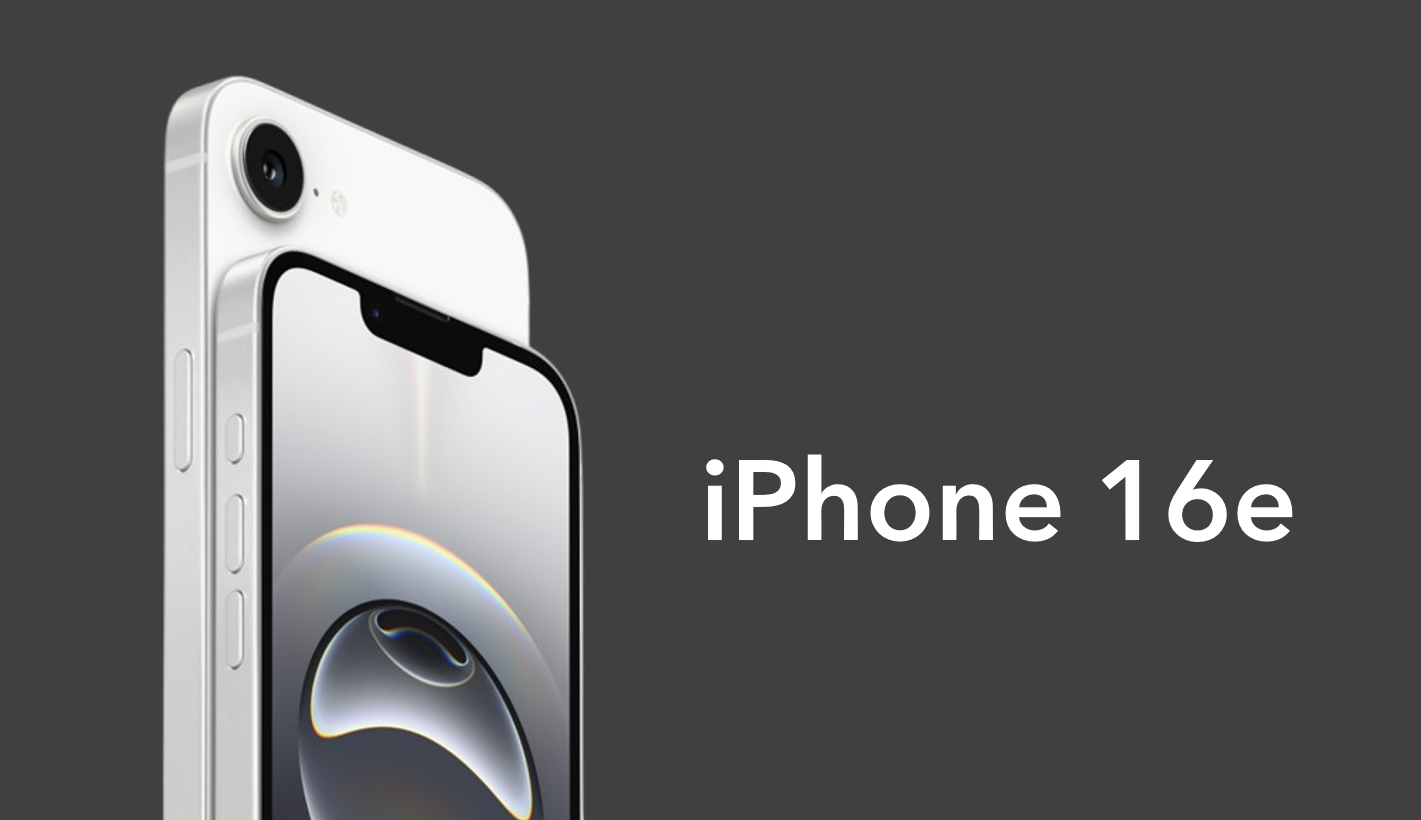

Apple recently introduced the new iPhone 16e, targeting the affordable smartphone market. This model notably removes the home button and thick bezels characteristic of previous SE models, adopting a contemporary design. Its 6.1-inch Super Retina XDR OLED display delivers impressive brightness, color accuracy, and detail, enhancing the overall user experience. However, despite being named part of the iPhone 16 series, it actually utilizes the iPhone 14 form factor, featuring the older notch design rather than the newer Dynamic Island.
iPhone 16e Key Specifications
- Display: 6.1-inch Super Retina XDR OLED (Notch Design)
- Processor: Apple A18 Bionic (Fewer GPU cores compared to other iPhone 16 models)
- Camera: 48MP rear camera (2-in-1 Fusion camera system)
- Battery: Up to 26 hours of video playback
- Charging: USB-C (No MagSafe)
- Price (US): 128GB – $749, 256GB – $849, 512GB – $999
- Additional Features: Support for Apple Intelligence, increased RAM capacity
Absence of MagSafe: A Difficult Decision to Understand
The absence of MagSafe wireless charging functionality in the iPhone 16e has generated significant criticism since its launch. MagSafe, introduced with the iPhone 12, has become a pivotal part of Apple’s ecosystem, enhancing user convenience beyond simple wireless charging through a range of magnetic accessories. Omitting such a key feature from Apple’s latest affordable model has disappointed many users.
Price Competitiveness and Model Comparison
With its US price set at $749 for the 128GB variant, the iPhone 16e finds itself in a questionable market position. Below is a comparative table against the iPhone 15 base model, highlighting key differences:
| Comparison | iPhone 16e | iPhone 15 |
|---|---|---|
| Price (128GB) | $749 | $799 |
| Processor | A18 Bionic (Fewer GPU cores) | A16 Bionic |
| Display | 6.1-inch OLED (Notch) | 6.1-inch OLED (Dynamic Island) |
| MagSafe Support | No | Yes |
| Camera Quality | 48MP (Average low-light performance) | 48MP (Excellent low-light performance) |
| Battery Life | Up to 26 hours | Up to 23 hours |
| Apple Intelligence | Yes | No |
The comparison clearly illustrates that while the iPhone 16e features the newer A18 chip, it does so with fewer GPU cores than other iPhone 16 variants, limiting its graphical capabilities. Coupled with the absence of MagSafe and a minimal $50 price gap, many consumers might find the iPhone 15 to be a more compelling purchase.
User and Reviewer Reactions
Tech bloggers and reviewers have echoed similar sentiments, noting that the iPhone 16e, despite its appealing design and advanced chipset, suffers significantly due to the lack of MagSafe functionality. Reviewers also criticized its subpar low-light camera performance, suggesting that most users would prefer the more feature-rich iPhone 15.
Reevaluating Apple’s Strategy
While Apple’s move to modernize its affordable smartphone lineup partially succeeds, the exclusion of critical features like MagSafe raises concerns about the company’s long-term ecosystem strategy. Today’s consumers prioritize overall user experience and convenience beyond mere performance specifications.
Conclusion
Ultimately, while the iPhone 16e impresses at first glance with its sleek design and modern internals, its significant shortcomings and ambiguous pricing strategy diminish its appeal. Unless Apple Intelligence is specifically required, consumers seeking mid-range smartphones would currently find the iPhone 15 base model to be a superior choice, offering better value and a more comprehensive user experience.
Tags: #iPhone16e #iPhone15 #Apple #SmartphoneReview #MagSafe #BudgetiPhone #SmartphoneComparison #A18Bionic #iPhone16Series #TechReview #AppleIntelligence


Leave a Reply