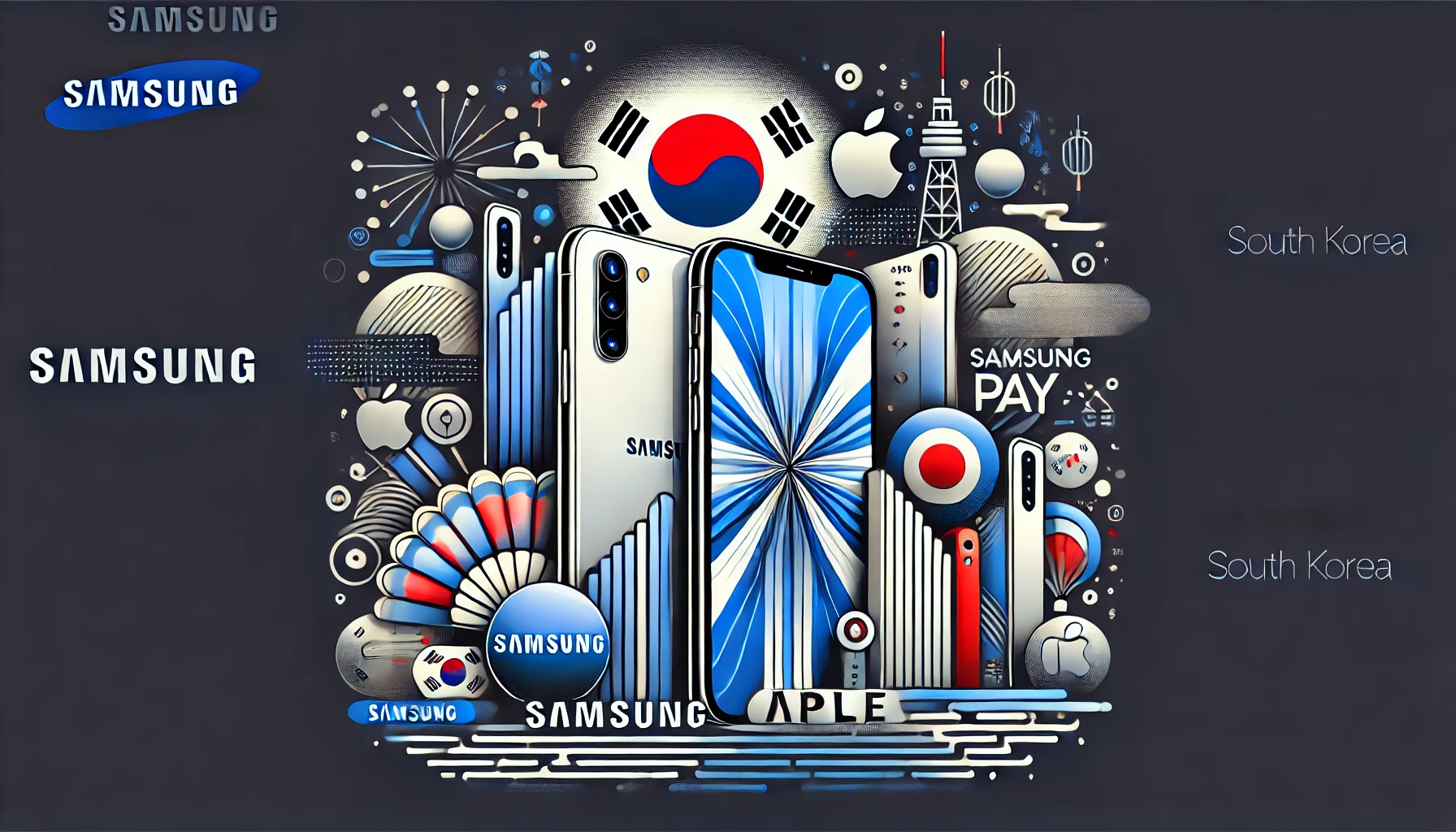

The Korean smartphone market exhibits a notably distinct market share structure compared to the global market. As of Q3 2024, Samsung commands an overwhelming lead in Korea with approximately 80% market share, followed by Apple with around 19%. Conversely, the global market sees much closer competition, with Samsung holding a 19% market share and Apple closely trailing at 18%.
Analysis of the Korean Smartphone Market Characteristics
1. Strong Preference for Domestic Brands
Korean consumers demonstrate significant trust and preference for the domestic brand Samsung, largely driven by Samsung’s continuous technological innovation and its comprehensive nationwide after-sales service network.
2. Distinct Age-based Preferences
Smartphone preferences vary significantly by age in Korea. Among consumers in their 20s, Apple’s iPhone usage reaches about 64%, while those aged 50-60 overwhelmingly prefer Samsung Galaxy phones, with a usage rate of around 86%. This reflects differences in lifestyle and device usage habits across generations.
3. Functional Advantages: Samsung Pay and Call Recording
Samsung’s primary competitive advantages in Korea include Samsung Pay and call recording functionality. Samsung Pay utilizes MST technology, making it compatible with most domestic credit card terminals. In contrast, Apple Pay is limited to NFC technology, restricting its usability in Korea. Call recording is also considered essential for business and personal use, further strengthening Samsung’s appeal.
4. Extensive Product Lineup
Samsung offers a broad range of products from premium to mid-range options, effectively catering to diverse consumer needs and market segments.
Key Factors Influencing Smartphone Selection
| Selection Criteria | Primary Reasons for Samsung Users | Primary Reasons for Apple Users |
|---|---|---|
| Brand Reliability | Domestic brand, nationwide service network | Global brand, premium image |
| Operating System | High customization potential of Android OS | User-friendly iOS, enhanced security and stability |
| Payment Functionality | Wide usability of Samsung Pay (MST+NFC) | Secure NFC-based Apple Pay |
| Call Recording | Essential for professional and personal use | Lack of functionality causing dissatisfaction |
| Product Range | Extensive product range across price points | Limited lineup focused on premium strategy |
Future Market Outlook and Samsung’s Challenges
Apple Pay is gradually expanding its network of compatible credit cards and payment terminals in Korea, slowly increasing its market presence. Furthermore, although currently limited, “Apple Intelligence” is advancing rapidly in AI capabilities, potentially strengthening Apple’s position in the premium smartphone market.
The entry-level smartphone market faces fierce competition from rapidly growing Chinese brands that leverage technology and cost-effectiveness, threatening Samsung’s market share. Additionally, Samsung’s focus on the foldable smartphone segment is challenged by the small market size relative to the overall smartphone market. Chinese foldable phones have already surpassed Samsung technologically, and Apple’s anticipated entry into the foldable phone market further complicates Samsung’s competitive outlook.
Given these shifting market dynamics, future leadership in the Korean smartphone market and global competitiveness will hinge on technical advancements in areas such as next-generation display technologies, enhanced AI-driven functionalities, and the ability to swiftly adapt to evolving consumer preferences and emerging global trends. Companies that effectively integrate these technological innovations into their products and strategies will likely navigate the competitive landscape more successfully.
Related Tags
#Smartphone #Samsung #Apple #SamsungPay #ApplePay #KoreanMarket #GlobalMarket #TechTrends #TechNews #MarketShare #Galaxy #iPhone #MobilePayments #FoldablePhones #MarketAnalysis


Leave a Reply